

Pet Loss in Seniors: Why Losing a Pet Hits Elderly Owners So Hard
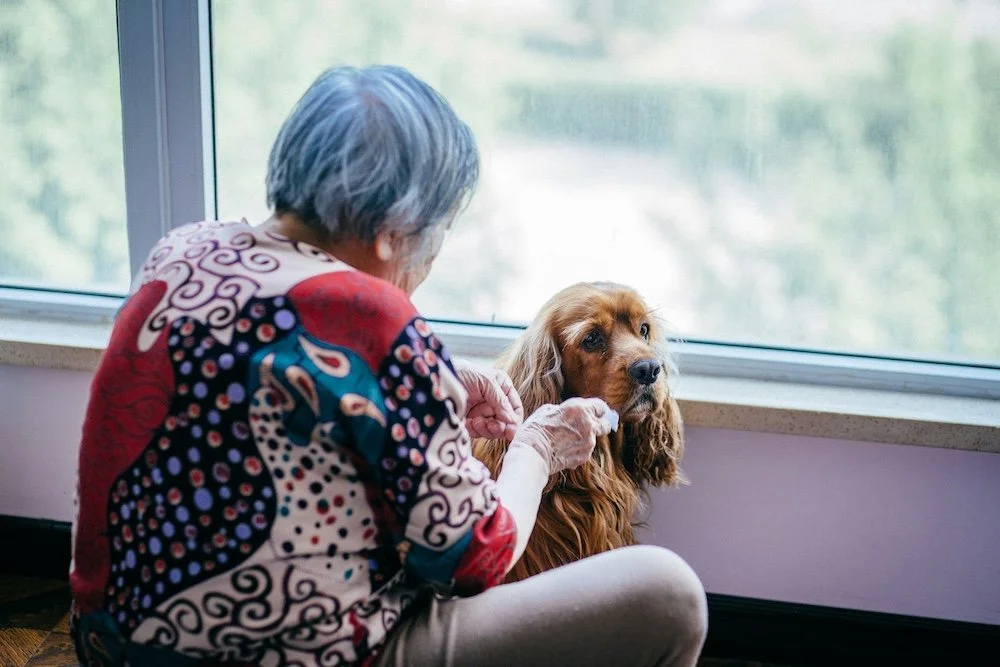
Photo by Kate Gu on Unsplash
Understanding pet loss grief in older adults
For senior citizens in Australia and around the world, losing a pet can be one of the most devastating losses of their lives, and it rarely happens in isolation. Many older adults have already weathered a string of significant losses: spouses, siblings, lifelong friends. Layer onto that the physical realities of ageing, reduced mobility, declining health and stamina, along with the loss of identity that often comes with retirement, shrinking social circles, and reduced financial independence, and it becomes clear why the human-animal bond can grow so deep in later life.
Having already lost so much, it makes complete sense that elderly pet owners often form profound, enduring relationships with their animal companions. These bonds aren't incidental; they provide genuine physical and emotional support, often filling gaps left by other life changes.
What a pet provides for an elderly owner
Caring for a pet creates a sense of purpose and usefulness that can be hard to find elsewhere in later life. Meeting an animal's daily needs encourages routine, structure, and physical activity, while the responsibility itself offers a meaningful reason to stay engaged with the world.
Beyond the practical, pets offer unconditional love and steady companionship, someone to talk to, someone who needs them, and someone who responds to their care. There's also the often-overlooked element of physical touch and contact, which carries real emotional and even physiological benefits, particularly for those living alone.
Why pet loss can be so devastating for seniors
For many Australian elderly pet owners, their animal companion may be their only consistent source of company, sometimes their only contact for days at a time. When that pet is lost, the impact can ripple far beyond grief alone. An elderly owner may lose their sense of purpose, their source of physical affection and touch, their reason to maintain a daily routine, and the only living being left in their care.
In some cases, a pet may also represent a final living connection to a spouse or loved one who has already passed, meaning their death can resurface unresolved grief or stir difficult feelings about their own mortality and the trajectory of their own life.
At a stage of life where loss can feel like the only constant, the death of a beloved pet can trigger what's known as compound grief, where new loss reactivates the weight of previous losses, intensifying the overall grieving experience.
Recognising the warning signs
Many older adults come from a generation raised to be stoic and may feel they need to hide or suppress their grief rather than express it. This makes it especially important for family, friends, and carers to watch for warning signs, including:
Neglect of personal self-care
New or worsening physical health issues
Loss of a sense of purpose or motivation
Abandoning previous routines and daily structure
Withdrawal from friends, family, and social contact
Supporting an elderly loved one through pet loss
Recognising the true significance of a pet in an older person's life is the first step toward helping them through the loss. Their grief deserves to be taken seriously, not minimised as "just a pet", and they may need more support, patience, and check-ins during this time than they're willing to ask for themselves.
If you're concerned about how an elderly family member or a friend is coping with the loss of a pet, gentle ongoing support and professional grief support, where needed, can make a meaningful difference. Contact Crossing Rainbow Bridge for pet loss and grief support.