

Pet Grief Myths: What People Get Wrong About Losing a Pet
The most common myths relating to pet loss
Many pet owners become extraordinarily attached and dedicated to their pets; the loss of such pets causes heartbreak and devastation. Societal attitudes to pets has changed significantly however, despite growing enlightenment, there are still many misconceptions or myths relating to pet loss that hinder healthy mourning.
Here are some of those myths:
To experience intense grief after the loss of a pet is strange, weird: experiencing powerful feelings towards a pet is quite normal, hence equally strong feelings of loss will follow the death of their pet
Pet loss is insignificant compared to human loss: People can simultaneously love and care for both humans and animals, one doesn’t detract from the other, so why would the loss of either not have the same significant impact on the bereaved
Replace the pet quickly to ease the pain: pets can never be replaced, and opening your heart to another pet may take considerable time and healing
Best to mourn alone: there is great benefit from accepting support from others who are caring and empathetic to the loss of a pet
Mourners go through 5 predictable stages of grief: there are 5 commonly accepted stages of grief based on the emotions most people go through, however they are not necessarily stages that we will go through step by step. Sufferers may go through these emotions in any order, together or cyclically
The best way to cope with unpleasant feelings is to bury them: unpleasant feelings don’t just go away, they have to be talked about to enable healing
When someone talks with sadness, best to redirect them to pleasant memories of their pet: people who share unpleasant feelings are seeking empathy, deflecting them is disrespectful and doesn’t meet the needs of the mourner
The best way to protect from pet loss is to not get another: depriving yourself of the joy of an animal companion is a very high price and may not be best
It’s selfish to euthanise: euthanasia is a compassionate, humane way to end suffering. Consideration of the comfort and quality of life of the pet is paramount, not euthanising may be more selfish.
Time heals all wounds: time gives space to heal, patience is necessary, and some sufferers need more assistance than others
Children find pet loss easier, and it’s unlikely to carry into adulthood: as children usually communicate differently, their pain may be missed or misinterpreted. Pet loss is usually the first loss a child experiences, and the profound effects of this loss and how those surrounding the child handle it may reverberate for many years
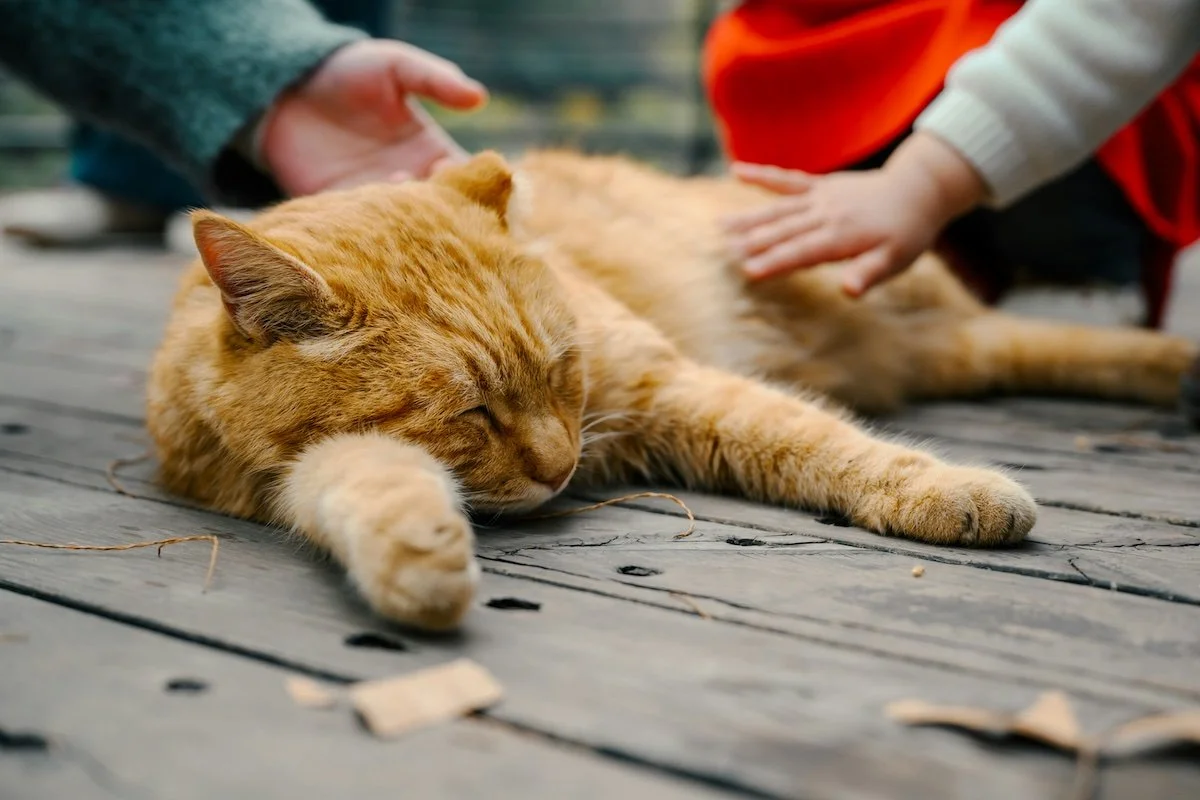
Photo by Andy Luo on Unsplash
Letting go of the myths is the first step toward real healing
Grief doesn't follow a script, and it certainly doesn't need to be minimised, hidden, or rushed. If you're grieving the loss of a pet, know that your feelings, however intense, however long they last, are valid and deserve to be met with compassion, not misconception.
If you're struggling, reach out. Talk to someone who understands. You don't have to carry this alone, and you don't have to pretend you're "over it" before you're ready.
If you'd like support navigating pet loss for Australian families, Contact Crossing Rainbow Bridge - we're here to listen, without judgement and without a clock on your grief.