

Talking to Kids About Pet Loss: What to Say (and What to Avoid)
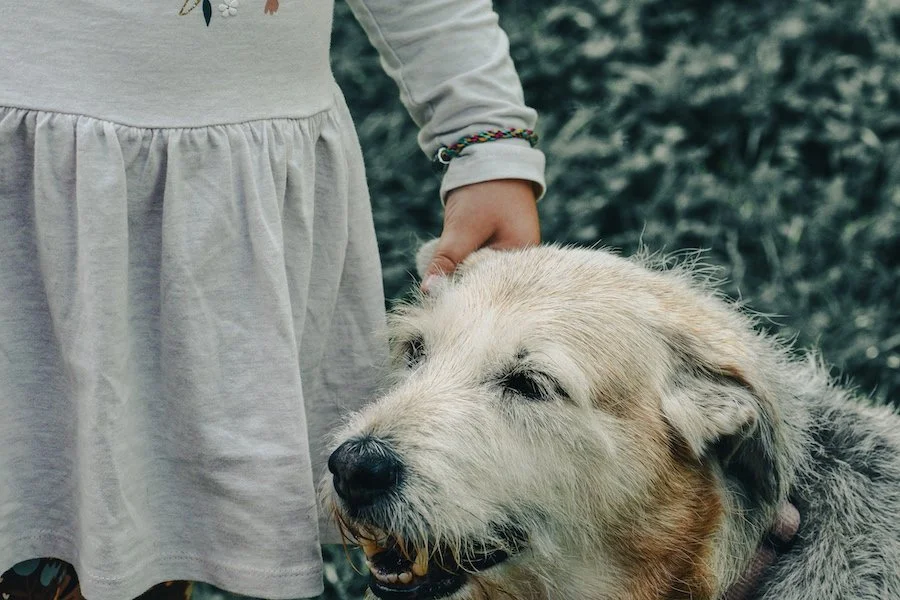
Photo by Willfried Wende on Unsplash.
Why honesty matters more than protecting them from the truth
Death is one of life's certainties, and as uncomfortable as it is, children need to be guided through this reality rather than shielded from it. Kids are far more resilient than we often give them credit for, and the truth, delivered with care, is essential to their emotional development.
It can be tempting to soften the blow with a gentler story. But research shows that lying to children about a pet's death can lead to real psychological harm, sometimes carrying through into adulthood.
Why children blame themselves
One of the most important things to understand is this: kids will often find a way to make a pet's death their own fault even when they had absolutely nothing to do with it.
Saying the cat "ran away" or the dog "went to live on a farm" might feel kinder in the moment, but vague explanations like these tend to backfire. Children's minds aren't yet equipped to process loss the way adults do, and ambiguity gives their imagination room to fill in the blanks, usually with themselves as the cause.
Here's why that happens:
Egocentric thinking. Young children naturally see themselves at the centre of everything happening around them. When something goes wrong, it's developmentally common for them to assume they somehow caused it, even with no involvement at all.
Limited understanding of cause and effect. Children look for simple, direct explanations because complex or random causes are harder to grasp.
Strong emotional attachment. Pets often feel like family to children. When that bond is broken, kids search for a reason that makes emotional sense, and self-blame, however painful, is often easier to understand than no explanation at all.
Guilt over ordinary childhood behaviour. A moment of not wanting to play, forgetting to feed the pet, or feeling frustrated with it can become, in a child's mind, the reason the pet is gone.
A need for control. Believing they caused it can feel less frightening than accepting that bad things sometimes happen for no reason at all, randomness is a hard concept for a young mind to sit with.
What this means for how you talk to them
Clear, honest, age-appropriate language is the best protection against these self-blaming spirals. Letting a child know plainly that their pet has died, that it isn't anyone's fault, and that their feelings are welcome and valid can make a meaningful difference in how they process the loss now and in years to come.
Need help talking with your kids? Crossing Rainbow Bridge is here to support you and your family in dealing with that difficult conversation about pet loss and grief.